Wisdom Teeth Removal in Bixby: Safe, Smooth & Stress-Free Surgery
If there’s one dental “milestone” nearly every teenager faces, it’s getting their wisdom teeth pulled. As a parent in Bixby, you want this rite of passage to be as easy and painless as possible for your son or daughter (and let’s be honest, for you too!). I’m Dr. Jeremy Egan, DMD, MD, and I’ve guided thousands of families through wisdom teeth removal with a process that’s safe, smooth, and yes – even stress-free.
In this post, I’m speaking directly to Bixby parents and teens. I’ll cover why wisdom teeth removal is often necessary, what to expect before/during/after surgery, and how we at Elite Oral Surgery go above and beyond to make the experience comfortable. My goal is to put your mind at ease (no horror stories here – just honest, expert insight and a bit of sharp-witted reassurance from a doc who’s done this a few thousand times).
Why Do We Remove Wisdom Teeth, Anyway?
Wisdom teeth (the third molars) usually try to show up in the late teen years – but often there isn’t enough room for them to come in properly[13]. Impaction is common, meaning the tooth is trapped against bone or neighboring teeth. An impacted wisdom tooth can lead to pain, infection, crowding of your straight teeth, and even cysts or damage to the jaw if left untreated[14].
Here in Bixby and the greater Tulsa area, we typically recommend teens get evaluated around age 16-18. Why so early if they’re not hurting yet? Because removing wisdom teeth proactively (before they cause trouble) can prevent a world of problems. In fact, many specialists advise removal in the late teens or early 20s, since younger patients heal faster and have lower complication risks[15]. Mayo Clinic notes that even wisdom teeth not causing issues now can lead to problems later and are often easier to remove at a younger age[15]. In other words, an ounce of prevention is worth a pound of cure.
To be clear, not every single person must have wisdom teeth out – if the teeth are fully erupted, straight, healthy, and cleaning them isn’t an issue, we might take a conservative approach. But that scenario is the exception, not the rule. By and large, Bixby parents choose wisdom teeth removal for their teens to avoid foreseeable trouble. (If you’ve had braces done for your kid, the last thing you want is wisdom teeth wrecking that perfect alignment!)
The Elite Oral Surgery Difference: Expert, Comfortable Care
I get it – teens can be nervous about surgery, and parents worry about safety. Let me address the elephant in the room: anesthesia and comfort. As a dual-degree oral & maxillofacial surgeon (with an MD in addition to my dental degree), I’m trained to provide IV sedation and general anesthesia right in our office. This means your teen can sleep through the entire procedure – they won’t feel a thing or remember it afterward[16][17]. My Bixby patients often tell me the worst part was worrying beforehand, and afterward they’re pleasantly surprised by how easy it was.
Safety is our top priority. We follow hospital-grade protocols for sedation. A full medical history is reviewed, vital signs are monitored continuously, and we have advanced emergency training (which we thankfully almost never need). Rest assured, your child is in very experienced hands – my team and I perform wisdom teeth surgeries every single day, and we treat each patient like family.
What sets Elite Oral Surgery apart? Aside from our sedation expertise, it’s our personalized, compassionate approach. We know Bixby folks value honest communication and a caring touch:
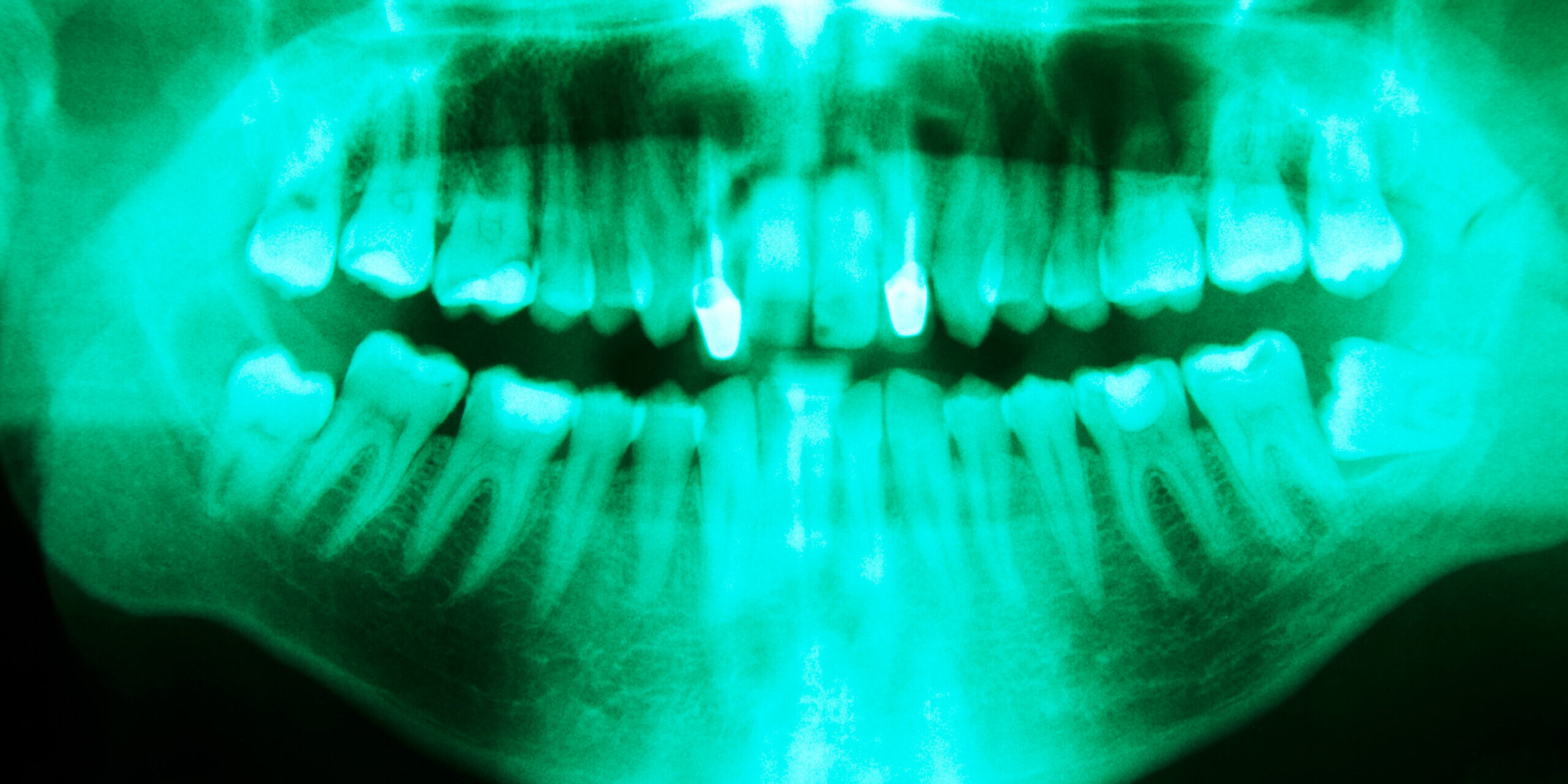
- Clear Explanations: I take time to explain the x-rays or 3D scans of your teen’s wisdom teeth. I’ll show you exactly how the teeth are positioned and what we’ll do. (If a picture’s worth a thousand words, an on-screen X-ray with my walkthrough is worth ten thousand.)
- Customized Plan: Not all wisdom teeth extractions are identical. Are the teeth impacted at awkward angles? We plan accordingly. Is your teen especially anxious? We might crack a joke or two (laughter is good medicine) and ensure they meet our anesthetist to feel at ease. We tailor our approach to each patient.
- Smooth, Efficient Surgery: Typically, removing four wisdom teeth takes less than an hour – often around 30–45 minutes in skilled hands. We use gentle techniques to ease teeth out with minimal trauma. Many parents are shocked at how fast it goes; they barely have time to grab a coffee down the street before we’re calling them back in.
- Attentive Follow-Up: The surgery is just one part – we pride ourselves on thorough aftercare. You’ll leave with detailed instructions, necessary medications, and our phone number with encouragement to call anytime (middle of the night, weekend – doesn’t matter) if you have concerns. We even check in the next day with a text or call. Your peace of mind matters to us.
Bixby is a tight-knit community, and we’ve built a reputation here by being transparent and going the extra mile. One parent told me, “Dr. Egan, you and your staff treat my kid like she’s your own.” That, to me, is the highest compliment and exactly the standard we strive for.
What to Expect Before, During, and After Wisdom Teeth Removal
Before Surgery: Once we decide wisdom teeth removal is needed, we’ll schedule the procedure at a convenient time (often during a school break or long weekend for minimal disruption). We’ll provide pre-op guidelines, like avoiding food/drink after midnight before a morning surgery (important for safety with IV sedation). If your teen has any medical conditions or medications, we coordinate as needed (for example, asthma inhalers should come with them, any routine meds usually can be taken with a sip of water – we’ll give you tailored instructions).
On the day of surgery, your teen should wear comfy clothes. Parents, you’ll fill out some paperwork and then wait in our cozy reception area – or feel free to run a quick errand; just stay within 10-15 minutes in case we need you. (We’ll text or call as soon as we’re done.)
During Surgery: Your teen will get hooked up to monitors (to track blood pressure, heart rate, oxygen, etc.). We place an IV, usually in the arm – most teens are a bit nervous about this, but a little pinch and it’s done. Often I’ll distract them with conversation about school or sports while our assistant painlessly slips in the IV. Then we administer the sedation medication and within seconds, they’re off to dreamland.
Using the latest sterilized instruments, I carefully remove each wisdom tooth. Impacted teeth may require a small incision in the gum and a bit of bone removal around the tooth. If the tooth is large or curved, I may section it into smaller pieces for easier removal. Throughout, the teen is completely unaware – deeply snoozing. No pain, no awareness. We typically use dissolvable sutures (stitches) that vanish on their own[17]. Once I’m finished and everything looks good, we’ll move your teen to a recovery area.
After Surgery (Recovery): The procedure might be over, but our care is just ramping up. We’ll gently wake your teen – they’ll be groggy and might say some silly things as the sedation wears off (those viral post-wisdom-teeth videos exist for a reason!). We monitor for a short while (usually 20-30 minutes) in the office. During this time, we’ll place gauze over the extraction sites to manage bleeding and put an ice pack around the cheeks to minimize swelling.
When you’re brought in, we’ll review the post-op instructions together. Key points typically include: - Bite on Gauze: Keep gentle pressure on the gauze pads for a couple of hours to help a blood clot form (this clot is what kicks off healing). - Medications: We’ll tailor a pain management plan. Often, a combo of ibuprofen and acetaminophen is enough, but we may provide a short course of prescription pain relief if needed. We’ll also usually prescribe a preventive antibiotic to ward off infection. - Diet: Today, it’s milkshakes and mashed potatoes! A soft diet is recommended for at least 2-3 days. Think yogurt, smoothies, pudding, scrambled eggs, soup (lukewarm, not hot). No straws for a week – suction can dislodge the healing clot (dry socket alert, we want to avoid that). - Activity: Plan to relax for a day or two. No strenuous exercise, heavy lifting, or sports for about 5-7 days. Let the body heal. Most teens are back to school within 2-3 days; we can provide a school note and instructions if needed. - Oral Hygiene: We’ll ask that no vigorous rinsing or spitting for 24 hours (again, protecting that clot). Starting the next day, gentle saltwater rinses help keep the sites clean. Your teen should continue brushing other teeth, just carefully and avoiding the back sockets initially. - Swelling & Ice: Swelling is usually at its worst around 48 hours post-op. Using ice packs on the face for 20 minutes on/off in the first day helps. After 48 hours, switching to warm moist heat can soothe muscles. It’s perfectly normal to look like a chipmunk temporarily – we promise it’ll go down in a few days.
We send you home with a take-home kit (extra gauze, written instructions, an emergency contact sheet). And remember, we’re a phone call away. Bixby is just a short drive to our Tulsa office, and if anything seems off, I’ll want to hear about it.
Smooth Sailing Toward a Quick Recovery
Most of our Bixby wisdom teeth patients recover uneventfully. By day 3 or 4, they’re often managing with just Tylenol, and swelling is starting to ease. Sticking to our guidelines (especially rest and soft foods) really pays off. We typically schedule a follow-up about a week later to make sure everything’s on track (sometimes this can even be a phone call check-in if all is well).
I often get asked about dry socket – a somewhat dreaded complication where the clot dislodges, causing pain around day 3-5 post-op. The good news is, dry socket is uncommon (a few percent of cases) and we do everything to prevent it: proper surgical technique, thorough instructions not to smoke or use straws, etc. Should it happen, we can treat it quickly with medicated dressings that relieve pain. The best news? Teens actually have a lower dry socket risk than older adults – yet another reason to get these teeth out earlier in life[15].
One more thing: We know some families consider having a general dentist remove wisdom teeth. While some dentists in Bixby do minor extractions, wisdom teeth surgery – especially with sedation – is best handled by a specialist. As an oral surgeon, I completed a hospital residency focusing on surgeries of the face and jaws. We handle all the tricky cases, from awkwardly impacted teeth to patients with medical considerations. Plus, we can provide IV sedation safely. There’s a reason general dentists refer their patients (and even their own kids) to specialists like us for wisdom teeth removal. You’re choosing the highest level of training and experience for your child.
Your Teen’s Comfort is Our Priority – Schedule a Consultation
At Elite Oral & Maxillofacial Surgery of Oklahoma, serving Bixby and the greater Tulsa area, we take pride in turning what could be an ordeal into a straightforward, positive experience. Your teen might even come out of it thinking, “Huh, that wasn’t so bad!” – which, in my book, is a huge win.
If your teenager (or you – adults need wisdom teeth love too!) is due for a wisdom teeth evaluation, give us a call at 918-395-8305 or request a consultation online. We’re happy to answer questions and set up a convenient appointment. Our office is located just north of Bixby in South Tulsa, so you won’t have to go far for top-notch care.
Don’t wait for pain to strike. Early, proactive wisdom teeth removal can save your family discomfort, time, and money in the long run[15]. Let’s work together to ensure your teen’s wisdom teeth journey is smooth sailing from start to finish. Trust me – their future smile (and perhaps their future orthodontist) will thank you!
FAQs about Wisdom Teeth Removal in Bixby
Q: Will my teen feel any pain during the wisdom teeth procedure?
A: No – your teen will be completely asleep and numb during the procedure. We use IV sedation or general anesthesia so they won’t feel, see, or remember the surgery[16]. After the procedure, some soreness is normal once the numbness wears off, but we’ll manage that with pain medications and home care. Most young patients tell us the discomfort was much less than they expected – often described as a dull ache for a couple of days. Following our pain management instructions (taking medications on schedule, using ice packs) will keep them comfortable.
Q: How many days should my teen take off from school or activities?
A: Plan for at least 2–3 days off from school, just to be safe. For example, if surgery is on a Friday, returning to classes by Monday or Tuesday is typically fine for most students. We’ll provide a school excuse note. For sports and strenuous activities, they should avoid those for about a week. This gives the body time to heal and reduces the risk of bleeding or other issues. Every person is a little different – some feel up to light activity sooner. We’ll assess at the follow-up and give the green light when appropriate. Remember, rest is an important part of recovery!
Q: What if my child’s wisdom teeth aren’t bothering them yet – can we wait?
A: We understand the inclination to “wait and see,” especially if there’s no pain. However, wisdom teeth can cause silent damage before symptoms appear – such as pushing on other molars, causing cavities in hard-to-clean areas, or developing cysts[14]. The American Association of Oral Surgeons often recommends early evaluation and removal, usually in the late teens, because the roots are not fully formed and the bone is more forgiving, leading to easier removal and recovery[15]. Waiting until they do hurt can mean a more complicated procedure (and having pain or infection to deal with). In Bixby, we commonly take out wisdom teeth in high school or early college years as a preventive measure. Of course, every case is unique – which is why a consultation (with a panoramic X-ray) is the best way to determine timing. If the teeth look like they may never be an issue, we will tell you that too. Our philosophy is to treat based on the best evidence and the patient’s individual situation.